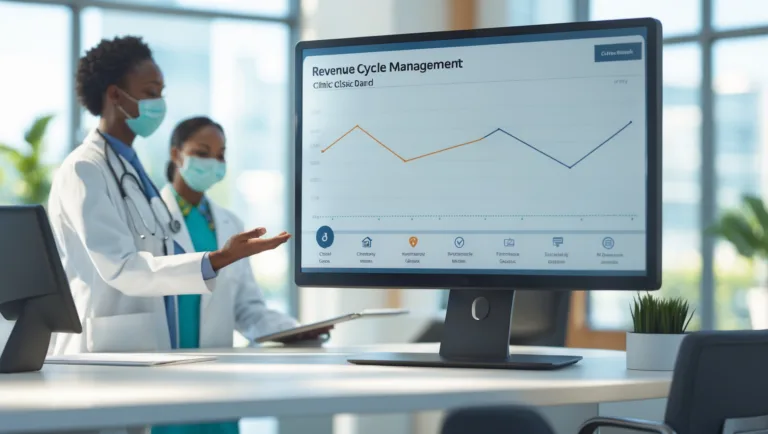
The Revenue Cycle Playbook: How Small Practices Hit 98–100% Collections Without Hiring In‑House
If you’re running a clinic, every minute spent chasing claims is a minute not spent with patients. Yet revenue leaks hide in front‑desk workflows, eligibility verification, coding accuracy, and follow‑up cadence. The good news: with the right process and technology, it’s realistic to achieve 98–100% collections—and you don’t need to build a billing department to get there.
1: Where Practices Lose Revenue (And How to Stop It)
2. The 7‑Step RCM Framework We Use
- Front‑End Verification
- Insurance active, benefits verified, authorization confirmed, copay/coinsurance calculated.
- Clean Claims on First Pass
- AdvancedMD AI scrubs for NPI, modifiers, bundling, LCD/NCD, and payer‑specific edits before submission.
- Daily Submission Rhythm
- Claims out same day; batching by payer to optimize clearinghouse cycles.
- Zero‑Pay and Mismatch Alerts
- We track “zero pays” and payment/allowed mismatches to uncover payer issues quickly.
- Denial Intelligence
- Root cause tagged (coding, documentation, eligibility, timely filing); fix + resubmit fast.
- Transparent Reporting
- AR aging, collection rate, denial rate, and days in AR reviewed every 30 days (bi‑weekly for new accounts).
- Patient Balance Resolution
- Digital statements, reminders, payment plans; unrecoverable balances referred to collections when appropriate.
3. Build vs. Outsource: Cost and Control
- In‑house costs: salaries, software, training, coverage gaps, and compliance risk.
- Outsource advantage: 4–8% of collections covers certified experts, technology, compliance, and daily follow‑up.
- Control: You keep visibility with scheduled reviews, unified reporting, and a dedicated biller—no staff rotation.
4. Compliance You Don’t Have to Second‑Guess
- HIPAA workflows, CMS/state updates within 48 hours, annual compliance training available, audit‑ready documentation.
5. Results You Can Expect
- First‑pass acceptance up, denials down, AR shortens, collections trend toward 98–100% with steady process adherence.
- Typical onboarding timeline: 3 weeks from consultation to full billing.
Want to see what 98–100% collections looks like for your specialty? Book a no‑pressure consultation and get a sample report format tailored to your practice.
Add‑Ons That Accelerate Cash Flow
- Advanced analytics dashboard ($100/month)
- Patient billing & statements ($125/month)
- Annual compliance training ($250/year)
- Credentialing support ($150–$300/provider/payer)